

If you’re considering the leap into exotic car ownership, you’re likely weighing the thrill of driving a high-performance machine against the practical realities of maintaining one. We understand the allure—the roar of a Ferrari engine, the sleek lines of a McLaren, the prestige of parking a Lamborghini in your driveway. You’re in the right place to get the unvarnished truth about what exotic car ownership really entails beyond the showroom floor.
Buying an exotic car is the acquisition of a high-performance vehicle from luxury manufacturers like Ferrari, Lamborghini, McLaren, or Porsche, typically characterized by limited production numbers, advanced engineering, and price tags exceeding $200,000. At Fisher Luxury Rental, we’ve witnessed firsthand how these automotive masterpieces can transform from dream purchases into complex ownership experiences that demand careful consideration of multiple risk factors.
TL;DR Summary: Exotic car ownership presents significant financial and practical challenges that extend far beyond the initial purchase price. Maintenance costs can reach $3,500 annually with major repairs exceeding $40,000, while modern luxury sports cars depreciate approximately 20% within three years. Insurance premiums range from $5,000 to $20,000 annually, requiring specialized coverage for modifications and track events. Financing typically demands excellent credit and 20% down payments with interest rates reaching 10%. Daily driving challenges include vulnerability to road damage, limited storage space, and constant public attention. Legal complexities arise from import restrictions and specialized documentation requirements. Despite these risks, understanding and planning for them allows enthusiasts to navigate exotic car ownership successfully.
Quick Tip: Before purchasing, calculate the total cost of ownership for five years including maintenance, insurance, depreciation, and storage—this figure often exceeds the vehicle’s purchase price and provides a realistic financial picture.
The journey through exotic car ownership requires navigating maintenance schedules that cost more than most people’s monthly mortgage payments, insurance policies with more exclusions than coverage, and depreciation curves that can make your investment vanish faster than your car accelerates from 0-60. We’ll explore each of these challenges in detail, providing you with the comprehensive understanding needed to make an informed decision about whether exotic car ownership aligns with your lifestyle and financial goals.
How Can Maintenance and Repair Costs Affect Exotic Car Ownership?
Maintenance and repair costs significantly impact exotic car ownership through substantially higher expenses, limited service availability, and unpredictable repair timelines compared to conventional vehicles. These elevated costs stem from specialized components, exclusive service networks, and the precision engineering that defines luxury performance cars.
Understanding these financial realities helps potential buyers budget appropriately and avoid unexpected expenses that can transform exotic car ownership from dream to financial burden. The following sections explore specific cost factors and practical challenges that distinguish exotic car maintenance from standard vehicle ownership.
Why Are Maintenance Costs Typically Higher for Exotic Cars?
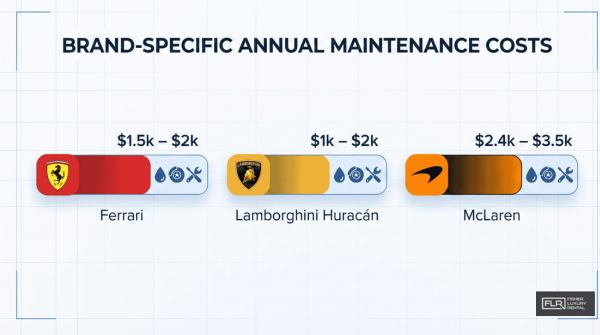
Maintenance costs are typically higher for exotic cars because they require proprietary parts, advanced diagnostic tools, and certified technicians trained specifically for each brand. Annual maintenance expenses range from $1,500 to $3,500 depending on the manufacturer and model complexity.
Annual Maintenance Cost Breakdown by Brand:
- Ferrari: $1,500 to $2,000
- Lamborghini Huracán: $1,000 to $2,000
- McLaren: $2,400 to $3,500
Routine services like oil changes and brake replacements cost several times more than conventional cars due to specialized fluids, high-performance components, and labor rates at authorized service centers. These premium costs reflect the precision engineering and exclusive materials used in exotic car construction.
How Do Repair Expenses Vary Between Exotic and Standard Cars?
Repair expenses vary dramatically between exotic and standard cars, with exotic vehicles requiring significantly higher investments for both minor and major repairs. A Ferrari F1 transmission clutch replacement costs around $6,500, while full engine rebuilds on exotic cars can exceed $40,000.
The five-year maintenance total for a Lamborghini Huracán can exceed $21,000, demonstrating the cumulative impact of premium repair costs. These expenses reflect the complexity of exotic car systems, specialized labor requirements, and limited parts availability that characterize the luxury automotive market.
What Unexpected Maintenance Issues Might Arise?
The unexpected maintenance issues that might arise include extended wait times for components and limited service center availability across the United States. Wait times for some exotic car components can stretch to six months or more due to specialized manufacturing and limited inventory systems.
Service Center Availability:
- Fewer than 50 authorized Lamborghini service centers exist in the U.S.
- Fewer than 25 authorized McLaren service centers exist in the U.S.
Owners may need to transport vehicles hundreds of miles for proper servicing, adding logistics costs and extended downtime to routine maintenance. These geographic limitations can transform simple repairs into complex scheduling challenges that affect vehicle availability and ownership convenience.
The limited service network creates a bottleneck effect where even minor issues can result in significant delays and transportation expenses. This section demonstrates how exotic car ownership extends beyond purchase price to encompass ongoing operational complexities that distinguish luxury vehicles from conventional transportation options.
How Does Depreciation Impact the Value of Exotic Cars?
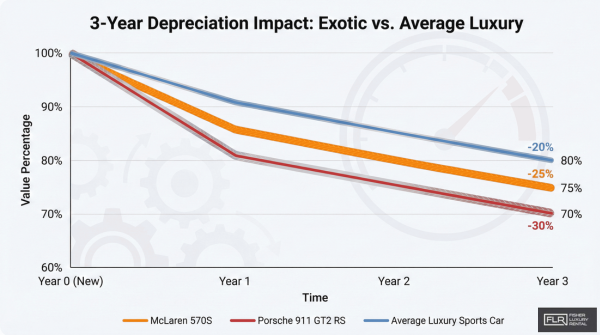
Depreciation significantly impacts exotic car values, with modern luxury sports cars losing approximately 6% of their value in the first year and 20% within three years. This financial reality affects both immediate resale potential and long-term investment outcomes for exotic car owners.
Understanding depreciation patterns helps buyers make informed decisions about timing, brand selection, and expected financial impact. The following sections examine depreciation rates, influencing factors, and exceptional cases where exotic cars maintain or increase value.
Do Exotic Cars Lose Value Faster Than Regular Vehicles?
Exotic cars lose value faster than regular vehicles, with depreciation rates varying significantly by model and market conditions. Modern luxury sports cars depreciate approximately 6% after one year and 20% after three years, compared to conventional vehicles that typically lose 10-15% annually.
Specific examples demonstrate this accelerated depreciation:
- McLaren 570S loses up to 25% of its value in the first three years
- Porsche 911 GT2 RS has seen depreciation as high as 30% in three years due to inflated initial selling prices
These rapid value declines occur because exotic cars face smaller resale markets, higher maintenance concerns among buyers, and frequent model updates that make older versions less desirable.
What Factors Influence the Resale Value of Exotic Cars?
The factors that influence exotic car resale value include brand heritage, production volume, condition, and maintenance history. Italian brands such as Ferrari and Lamborghini tend to depreciate less than British brands like Aston Martin and McLaren, reflecting market perception of reliability and desirability.
Key depreciation factors affecting resale value:
- Mileage: Lower mileage vehicles command higher prices
- Condition: Accident-free history and pristine appearance
- Service history: Complete maintenance records from authorized dealers
- Geographic location: Climate and local market demand variations
Brand positioning significantly impacts depreciation, with established manufacturers typically maintaining stronger residual values than newer or less prestigious marques.
Are Any Exotic Car Models Known for Holding Their Value?
Limited-edition exotic car models are known for holding their value, with production runs under 1,000 units often commanding premiums of 15-25% above original retail prices. These exclusive models benefit from scarcity, collector interest, and historical significance.
The McLaren F1 exemplifies exceptional value retention, with only 106 units built and auction prices reaching millions compared to its original $815,000 price in the 1990s. Other value-holding examples include Ferrari LaFerrari, Porsche Carrera GT, and Lamborghini Reventon.
Limited production creates sustained demand among collectors, while mass-produced exotic cars face normal depreciation pressures from supply availability and technological advancement. This dynamic makes rarity a crucial factor in exotic car investment potential.
What Insurance Challenges Come With Buying an Exotic Car?
Insurance challenges for exotic cars include dramatically higher premiums, specialized coverage requirements, and limited insurer availability. These obstacles create significant barriers for potential buyers beyond the initial purchase price.
Why Is Insurance More Expensive for Exotic Cars?
Insurance costs for exotic cars are exponentially higher than conventional vehicles due to their value and risk profile. Annual exotic car insurance premiums range from $5,000 to $20,000, compared to approximately $1,500 for conventional vehicles. High costs are driven by vehicle value, performance capabilities, and theft susceptibility.
The theft risk factor proves substantial—a 2024 study found the Lexus TX had a theft frequency of 14.89% in Canada, with 142 of 598 registered vehicles stolen in Ontario alone. Insurers price premiums accordingly to cover potential total loss claims on vehicles worth hundreds of thousands of dollars.
What Types of Insurance Coverage Are Essential for Exotic Cars?
Essential exotic car coverage includes specialized policies that standard auto insurance cannot accommodate. Most insurers require “agreed value” policies that guarantee a predetermined payout for total loss, protecting owners from depreciation disputes during claims.
Aftermarket modifications require specialized coverage that adds 15-20% to premium costs, as standard policies exclude custom parts and performance upgrades. Track day events demand separate expensive policies beyond standard coverage, as racing activities void typical insurance protection.
How Can Insurance Availability Affect Ownership?
Insurance availability severely limits exotic car ownership options through restricted carrier selection and stringent qualification requirements. Many standard insurers refuse to cover exotic vehicles entirely, forcing owners toward specialty carriers with higher premiums and stricter terms.
Geographic location affects availability, as some regions lack specialty insurers willing to write exotic car policies. Owners may face coverage gaps when relocating or traveling, creating legal liability concerns and potential registration complications across state lines.
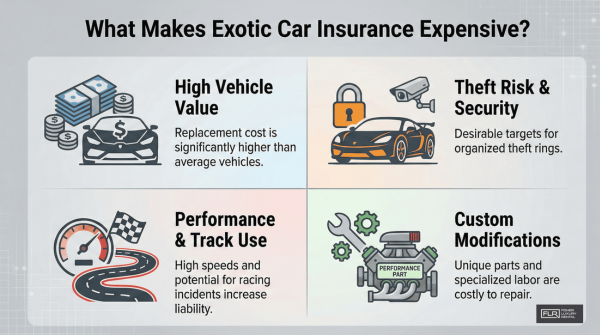
The combination of high costs, limited coverage options, and stringent requirements creates substantial barriers that extend ownership expenses far beyond the purchase price, affecting both initial buying decisions and long-term ownership viability.
Are Exotic Cars at Greater Risk of Theft or Vandalism?
Exotic cars face significantly higher theft and vandalism risks than standard vehicles due to their high value, desirability, and distinct appearance. These luxury vehicles attract criminal attention while their rarity makes them challenging to secure and recover.
The elevated risk profile stems from multiple factors. Exotic cars command premium prices on black markets, making them attractive targets for organized theft rings. Their distinctive designs make them instantly recognizable, drawing unwanted attention in public spaces. Additionally, the limited production numbers of many exotic models create difficulty in tracking stolen vehicles through traditional recovery methods.
Vandalism presents another serious concern for exotic car owners. The vehicles’ conspicuous nature can trigger jealousy or resentment, leading to keying, tire slashing, or other property damage. Parking these cars in public areas often results in unnecessary attention from passersby, increasing exposure to potential vandals.
The following sections examine specific security measures owners should implement and identify which brands face the highest theft rates.
What Security Measures Are Recommended for Exotic Car Owners?
Security measures for exotic car owners include multi-layered protection systems combining physical barriers, electronic monitoring, and strategic storage practices. Comprehensive security approaches significantly reduce theft and vandalism risks while providing peace of mind for owners.
Essential security measures include:
- GPS tracking systems with real-time monitoring and theft alerts
- Steering wheel locks and wheel clamps as visible deterrents
- Garage storage with reinforced doors and security cameras
- Car covers to conceal vehicle identity in public spaces
- Professional security services for high-value collections
- Insurance-approved immobilizers that disable engine starting
- Motion-activated alarms with smartphone notifications
Many owners invest in secured parking facilities or private garages with 24/7 monitoring. These controlled environments eliminate street parking risks while providing climate control for vehicle preservation. Professional storage facilities often include additional security features such as biometric access controls and armed security personnel.
Behavioral security practices prove equally important. Owners should avoid predictable routines, vary parking locations, and maintain low profiles about their vehicle ownership. Social media posts featuring exotic cars can inadvertently advertise valuable assets to potential thieves.
Are Certain Exotic Car Brands Targeted More Often by Thieves?
Certain exotic car brands experience higher theft rates based on market demand, parts availability, and resale potential. Italian and German luxury brands face the greatest theft pressure due to their strong international markets and valuable components.
Ferrari and Lamborghini models rank among the most targeted exotic vehicles. Their widespread recognition and consistent resale values make them attractive to international theft rings. The brands’ extensive aftermarket parts networks create profitable opportunities for stolen vehicle dismantling.
McLaren vehicles also face elevated theft risks, particularly newer models with advanced technology systems. Thieves target these cars for their cutting-edge electronics and lightweight carbon fiber components, which command high prices in underground markets.
Porsche 911 variants, especially GT models and limited editions, experience frequent theft attempts. The brand’s global presence and established parts distribution networks make stolen Porsches easier to move across international borders.
Aston Martin models attract theft due to their luxury positioning and relatively lower security systems compared to newer exotic brands. Older Aston Martin vehicles often lack modern anti-theft technology, making them vulnerable targets.
Regional factors influence theft patterns significantly. Urban areas with international shipping access see higher exotic car theft rates, while rural locations face different security challenges related to storage and monitoring.
This security landscape directly connects to the broader financial risks of exotic car ownership, particularly the insurance challenges and coverage requirements that stem from these elevated theft and vandalism risks.
What Financing Difficulties Might Exotic Car Buyers Face?
Financing difficulties for exotic car buyers include stricter loan requirements, higher interest rates, and complex leasing terms. These financial challenges stem from the high purchase prices, specialized nature of these vehicles, and elevated lending risks associated with luxury automotive purchases.
Are There Special Loan Requirements for Exotic Cars?
Special loan requirements for exotic cars include substantial down payments, income verification standards, and excellent credit scores. Lenders typically require at least 20% down payment due to the high vehicle values and potential depreciation risks. The total vehicle price should not exceed the buyer’s annual gross income, creating a strict debt-to-income ratio that many buyers struggle to meet. Excellent credit scores are required for exotic car financing, with most lenders demanding scores above 750 for favorable terms.
These requirements protect lenders from default risks while limiting the buyer pool to financially qualified individuals who can demonstrate long-term payment capacity.
How Do Interest Rates Differ for Exotic Car Purchases?
Interest rates for exotic car purchases significantly exceed conventional auto loan rates due to higher lending risks and specialized market factors. Interest rates for exotic car financing can reach as high as 10%, compared to typical auto loan rates of 3-7% for standard vehicles. Long-term loans are available up to 144 months, allowing buyers to manage monthly payments despite high purchase prices.
The extended loan terms help offset the impact of higher rates but result in substantial total interest payments over the loan duration. These financing structures reflect the unique risk profile of exotic vehicle lending.
What Should Buyers Know About Leasing vs. Buying an Exotic Car?
Exotic car leasing offers unique benefits but includes restrictive terms that differ significantly from standard vehicle leases. Specialized exotic car leases allow early termination and mid-lease car swaps with no penalty, providing flexibility for buyers who desire variety in their driving experience. However, exotic car leases typically limit mileage to 2,500-5,000 miles per year, far below the 10,000-15,000 miles common in standard leases.
Hefty penalties apply for exceeding lease mileage allowances, often ranging from $2-5 per excess mile. This creates a financing structure better suited for collectors and weekend drivers rather than daily commuters who need practical transportation solutions.
How Might Limited Use and Practicality Affect Exotic Car Owners?
Limited use and practicality issues significantly impact exotic car ownership by restricting daily functionality and creating ongoing ownership stress. These limitations stem from design priorities that favor performance over comfort, creating a disconnect between the vehicle’s capabilities and real-world usability.
The following sections examine specific areas where exotic cars fall short of practical expectations, from everyday driving challenges to storage concerns that can transform ownership from pleasure into anxiety.
Are Exotic Cars Suitable for Everyday Driving?
Exotic cars are generally unsuitable for everyday driving due to design compromises that prioritize performance over comfort and practicality. Low ground clearance makes supercars vulnerable to damage from potholes and speed bumps, requiring constant vigilance during normal city driving. Stiff suspension systems and racing-derived seats can be uncomfortable for daily commuting, particularly during longer trips or in stop-and-go traffic.
The aggressive aerodynamics and wide body configurations create additional challenges in parking garages and narrow spaces. Many exotic car owners report avoiding certain routes or destinations simply because their vehicle cannot safely navigate common road obstacles that conventional cars handle without concern.
What Common Usability Issues Do Owners Report?
The most common usability issues exotic car owners report include severe storage limitations and ongoing maintenance demands. Limited storage space restricts practical use for errands, travel, or transporting passengers comfortably. Constant threat of beverage spills due to cabin design creates stress during normal use, as interior damage can cost thousands to repair.
Frequent and expensive detailing is required to maintain pristine condition, often costing $300-500 per session compared to $50-100 for conventional vehicles. Owners also face constant questions, photo requests, and law enforcement scrutiny whenever they park in public, transforming simple trips into social obligations or unwanted attention.
How Do Storage and Parking Impact Exotic Car Ownership?
Storage and parking create significant anxiety for exotic car owners, fundamentally changing how they approach vehicle use. Anxiety associated with parking exotic cars in public places often leads owners to avoid certain destinations entirely or limit their driving to specific times and locations.
Garage storage becomes essential rather than optional, with many owners investing in climate-controlled storage facilities costing $200-500 monthly. The fear of theft, vandalism, or accidental damage means exotic cars often remain parked for weeks between uses, defeating the purpose of ownership for many buyers.
This combination of practicality limitations and storage concerns means exotic cars serve more as weekend toys or special occasion vehicles rather than functional transportation, significantly reducing their value proposition for most potential buyers.
What Legal and Compliance Issues Could Affect Exotic Car Buyers?
Legal and compliance issues create significant hurdles for exotic car buyers through import restrictions, registration complexities, and extensive documentation requirements. These regulatory challenges can delay purchases, increase costs, and sometimes prevent ownership entirely.
Are There Import Restrictions or Emissions Regulations?
Import restrictions and emissions regulations significantly limit which exotic cars can legally enter the United States. The 25-year import rule prevents most foreign-market exotic cars from being imported until they reach 25 years of age, blocking access to desirable models like the Nissan Skyline GT-R R34 or European-spec Porsche 911 variants.
Emissions compliance presents another major barrier for exotic car imports. The Environmental Protection Agency requires all imported vehicles to meet strict emissions standards, and many European or Japanese exotic cars fail these requirements without costly modifications. According to a 2019 EPA study on imported vehicle compliance, approximately 40% of attempted exotic car imports were rejected for emissions violations.
State-level regulations add complexity, with California’s Air Resources Board maintaining the strictest emissions standards in the nation. Some exotic cars that pass federal requirements still cannot be registered in California, affecting the largest luxury car market in the United States.
Can Exotic Cars Be Registered and Insured Easily?
Exotic cars face registration and insurance challenges that standard vehicles rarely encounter. State DMV offices often lack experience processing exotic car registrations, leading to delays and confusion over proper classification and fees. Some states require additional inspections or certifications for high-performance vehicles exceeding certain horsepower thresholds.
Insurance availability varies dramatically by location and vehicle type. According to a 2022 Insurance Information Institute report on specialty vehicle coverage, 60% of major insurers either refuse exotic car policies or impose restrictive conditions such as limited annual mileage or mandatory storage requirements. Rural areas face particular challenges, with some owners driving hours to find qualified insurance agents familiar with exotic car policies.
Registration complications multiply for modified exotic cars, as alterations to exhaust systems, suspension, or bodywork may violate state vehicle codes. Owners often discover registration issues only after purchase, leading to expensive modifications to achieve compliance.
What Documentation Is Needed for a Smooth Purchase?
Exotic car purchases require extensive documentation beyond standard vehicle transactions. Essential paperwork includes manufacturer’s certificate of origin, EPA compliance documentation, DOT safety certification, and detailed maintenance records from authorized dealers. Missing or incomplete documentation can delay registration for months or render the vehicle permanently ineligible for road use.
International purchases demand additional documentation such as import permits, customs declarations, and shipping manifests with detailed vehicle specifications. A 2021 National Highway Traffic Safety Administration study on import documentation found that incomplete paperwork caused 30% of exotic car import attempts to fail or face significant delays.
Pre-purchase verification becomes critical for exotic cars due to their complex regulatory status. Buyers should confirm VIN authenticity, verify clean title history through services like Carfax, and obtain written confirmation of emissions compliance from certified testing facilities. Title issues prove particularly problematic for exotic cars, as liens or salvage designations can be difficult to resolve across international boundaries.
The regulatory landscape continues evolving, with new safety standards and emissions requirements potentially affecting exotic car eligibility. Prospective buyers benefit from consulting automotive attorneys or import specialists before finalizing purchases to navigate these complex legal requirements successfully.
How Should You Approach the Risks of Buying an Exotic Car With Fisher Luxury Rental?
The approach to exotic car ownership risks involves comprehensive evaluation of financial commitments, practical limitations, and ongoing responsibilities. Fisher Luxury Rental provides a strategic pathway to assess these vehicles without the permanent financial exposure of purchase. Through extended rental periods, prospective buyers can evaluate real-world ownership costs, daily usability challenges, and personal compatibility with exotic car lifestyle demands.
Can Fisher Luxury Rental Help You Make a Smart Exotic Car Decision?
Fisher Luxury Rental helps you make a smart exotic car decision by providing extended trial periods that reveal hidden ownership costs and practical limitations. Through multi-week rentals, you can evaluate maintenance accessibility, insurance requirements, and daily usability challenges without committing to purchase. This approach allows assessment of specific models like McLaren 570S or Ferrari models before facing their 20-25% three-year depreciation risk.
The rental experience exposes critical factors such as:
- Service center accessibility (fewer than 50 authorized Lamborghini centers nationwide)
- Daily driving comfort with racing-derived suspension systems
- Storage limitations and parking anxiety in public spaces
- Insurance premium variations ranging from $5,000 to $20,000 annually
Fisher Luxury Rental’s fleet diversity enables direct model comparisons, helping you identify vehicles that align with your lifestyle requirements and risk tolerance before making purchase decisions exceeding your annual gross income threshold.
What Are the Key Takeaways About the Risks of Buying an Exotic Car?
The key takeaways about exotic car ownership risks center on substantial ongoing financial commitments, limited practical utility, and specialized service requirements. Annual maintenance costs range from $1,000-$3,500 depending on brand, with potential six-month wait times for proprietary components. Insurance premiums average 3-13 times conventional vehicle costs, while depreciation reaches 20-30% within three years for most models.
Critical risk factors include:
- Financial exposure: Down payments requiring 20% minimum, with total costs not exceeding annual income
- Service limitations: Fewer than 25 McLaren service centers nationwide requiring potential long-distance transport
- Practical constraints: Low ground clearance, limited storage, and daily driving discomfort
- Market volatility: Only limited-edition models under 1,000 units maintain value appreciation
Smart exotic car decisions require thorough evaluation of these factors against personal financial capacity and usage expectations. Fisher Luxury Rental’s trial approach minimizes risk exposure while providing authentic ownership simulation, enabling informed decisions about the substantial long-term commitments exotic car ownership demands.